The Thrill of Risk and Uncertainty
The allure of casino gambling often stems from the thrill associated with risk and uncertainty. When individuals step into a casino, they are not just engaging in a game of chance; they are immersing themselves in an environment where every spin of the wheel or turn of the card comes with the potential for sudden excitement or disappointment. This unpredictable nature activates the brain’s reward system, causing a rush of adrenaline that many find exhilarating. Many might also seek out best non Gamstop casinos for a more enjoyable experience.
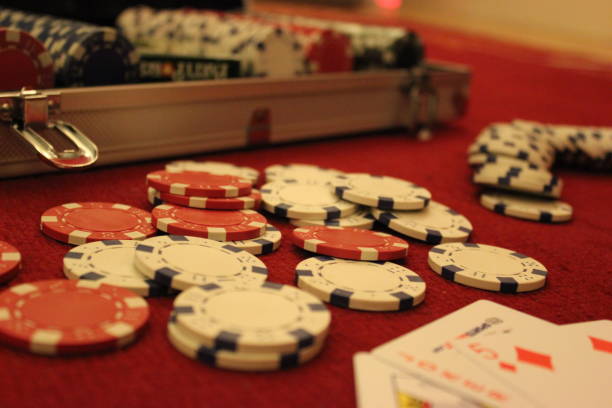
This psychological phenomenon can be further explored through concepts such as variable reinforcement. Unlike predictable outcomes, the sporadic nature of wins and losses creates a sense of anticipation, keeping players engaged. This uncertainty also taps into a fundamental aspect of human psychology—the desire for control in situations where it is inherently absent. The illusion of making strategic choices enhances the gaming experience, making it difficult for players to walk away.
The Role of Social Interaction
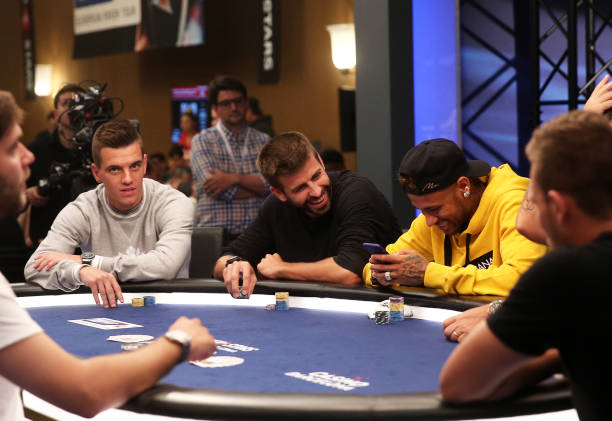
Another vital aspect of casino gaming is the component of social interaction. Many individuals are drawn to casinos not only by the games themselves but also by the vibrant social atmosphere they offer. Engaging with other players, sharing stories, and celebrating wins fosters a sense of community and belonging. This social dimension can significantly enhance the enjoyment of gambling, offering players not just a chance of winning money, but also a connection with others.
Moreover, the communal experience can lead to a form of collective excitement, particularly during popular games or big events. The sounds of cheers, laughter, and the clinking of chips create an intoxicating environment. This social aspect reinforces the psychological motivations for gambling, making it a multifaceted experience that combines entertainment with the potential for monetary reward.
Addictive Behaviors and Compulsion
The psychological underpinnings of gambling also reveal a darker side: the potential for addiction. The thrill of winning and the relief from losing can create a cycle of behavior that becomes compulsive for some individuals. Cognitive biases, such as the “near-miss” effect—where players feel they were close to winning—can reinforce continued play despite potential losses.
Additionally, certain personality traits, such as impulsivity or a high tolerance for risk, can make some individuals more susceptible to gambling addiction. Understanding these psychological risks is crucial, as they highlight the importance of responsible gambling practices and support for those who may struggle with compulsive behaviors. The ability to recognize these patterns can be the first step in addressing gambling-related issues.
The Impact of Marketing and Design
Casinos employ sophisticated marketing strategies and design elements that cater to the psychology of gambling. The use of bright lights, engaging sounds, and the strategic layout of games are all designed to maximize player engagement. These elements not only attract new players but also keep them entertained for extended periods, effectively increasing the likelihood of continued play.
Moreover, the appeal of rewards programs and loyalty incentives further entices players, making them feel valued and connected to the casino. This creates an environment where players are more likely to spend money, reinforcing the psychological connection between gambling and reward. Understanding these tactics can help individuals become more aware of how their environment influences gambling behavior, empowering them to make informed choices.
Promoting a Healthy Work-Life Balance in Gambling
While the excitement of casino gambling can be enjoyable, it is essential to incorporate this activity into a balanced lifestyle. Understanding the psychology behind gambling can aid individuals in making informed choices about their engagement with games of chance. Recognizing the psychological triggers and motivations can help players approach gambling responsibly, keeping the experiences fun and controlled.
For those looking for resources and support as they navigate the complexities of gambling within the context of a healthy work-life balance, platforms dedicated to well-being are invaluable. They provide insights and practical advice that can empower individuals to enjoy gambling as a form of entertainment, rather than a source of stress or conflict.